
Waiting and changing when you really don’t know what’s coming
The day after Advent began, I sat in a circle of men in a brightly lit, windowless room inside the county jail. We were taking turns reading prayers and Scripture aloud and pausing to reflect on the messages of hope and promise. Together we mused on all we’re waiting for and how it feels to wait.
One of the men, who is waiting for his trial and sentencing, shared that he feels a lot of trust in God. He said that waiting inside the jail is changing him, and he feels hope about what’s coming. “Waiting changes me,” he said. His deep voice sounded gentle and grateful.
Since my visit to the jail, I’ve been considering how waiting has and continues to change me, too. Along with waiting for Christmas and Jesus’ second coming with Christians everywhere, I can see that I am in an era of waiting.
Here’s an incomplete litany: I am waiting for some loved ones to be freed from serious illness and for others to fully recover from surgery and trauma; waiting for questions to be answered; waiting for clarity; waiting for celebration; peace and justice; and, I am waiting to find out what it will be really be like for my book to be widely available and celebrate its release!
None of this waiting makes me unique; rather, all of our waiting unites us, dignifies and creates us anew. I am convinced that being guided by our beliefs, longings and hopes (rather than instinct alone) fuels our spiritual life and makes us human. It is a wonder, really. We each are people on a journey–on our way and waiting to get there. We are “works in process.” We are on our way to an accomplishment, achievement or arrival (such as coming to the realization that we’re in another phase of life).
We are, as individuals, becoming something new while we wait and move forward, as we search and discover. As individuals, yes, and the waiting and transformation is collective, too. This, perhaps, is what it really means to wait: We anticipate and adjust.
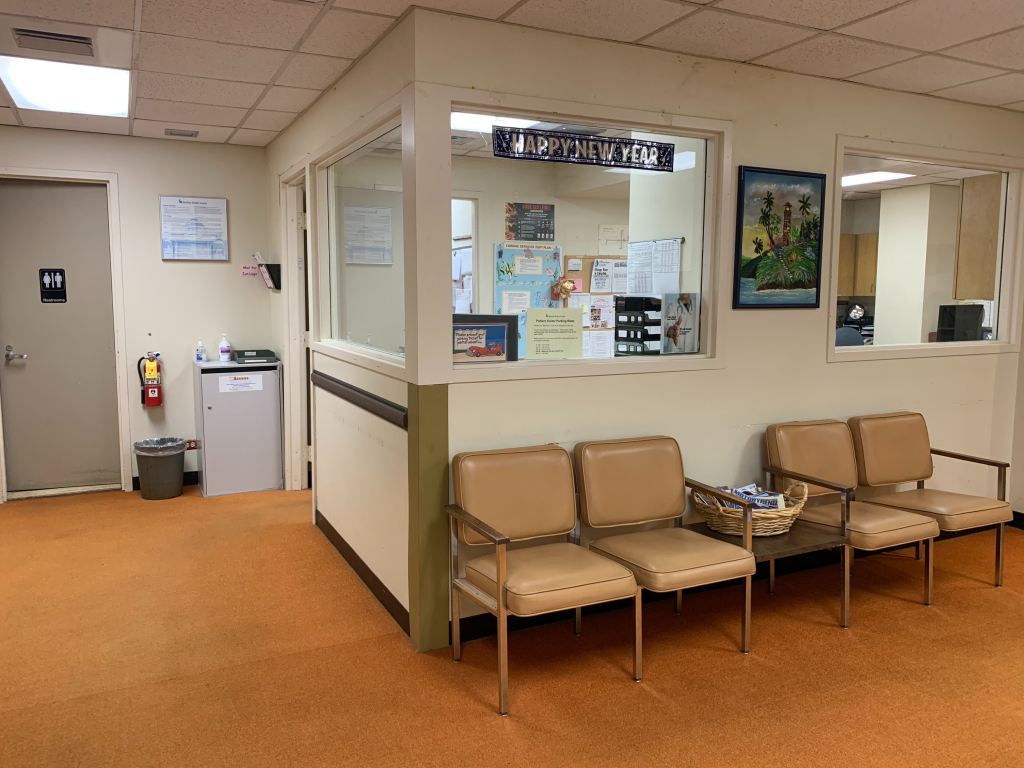
A few months ago, I was talking to to one of my doctors about the trials of living with a progessive disorder. I can’t know when or if the condition will get worse. Will I experience more symptoms? Will I be OK? I bemoaned not knowing how to adapt to the changes and, at the same time, get ready for what’s to come. My doctor listened kindly and then reminded me that every person is constantly adapting; that no one really knows the future. We each imagine our future and wait for it, yet it never goes as we expect. I understood yet considered how the waiting and not-knowing can feel awful. Keeping vigil in waiting rooms can seem like a penance, leaving us wondering why. Even so, we can be changed in those spaces, too.
As I wait for the future and adjust to the changes in my body and life, I seem to cycle through learn-unlearn-relearn. Part of how waiting changes me is that if I remain receptive and reflective, I am offered many chances to learn and grow.
I am changed by the waiting because I am learning. I am changed by the waiting because I am trying. I am changed by the waiting because, as I find new ways to embody the spiritual — to ritualize the wonder — the awe I’m experiencing is deepening. (This was also the experience of St. Francis of Assisi in Greccio 800 years ago. See this essay by Jon M. Sweeney to learn more.)
I am changed by the waiting because of God’s grace, as I desire to embrace the present moment and embrace The Holy Now. Hope is an active virtue, and I hope to allow things to unfold and gracefully accept change as it comes.
Who am I becoming as the waiting changes me? I’m willing to wait to find out!
Death doesn’t discriminate
“Wait for it” from Hamilton by Lin-Manuel Miranda
Between the sinners and the saints
It takes and it takes and it takes
And we keep living anyway
We rise and we fall and we break
And we make our mistakes
And if there’s a reason I’m still alive
When everyone who loves me has died
I’m willing to wait for it (Wait for it)
I’m willing to wait for it
You must be logged in to post a comment.