
Christmas and the work of women
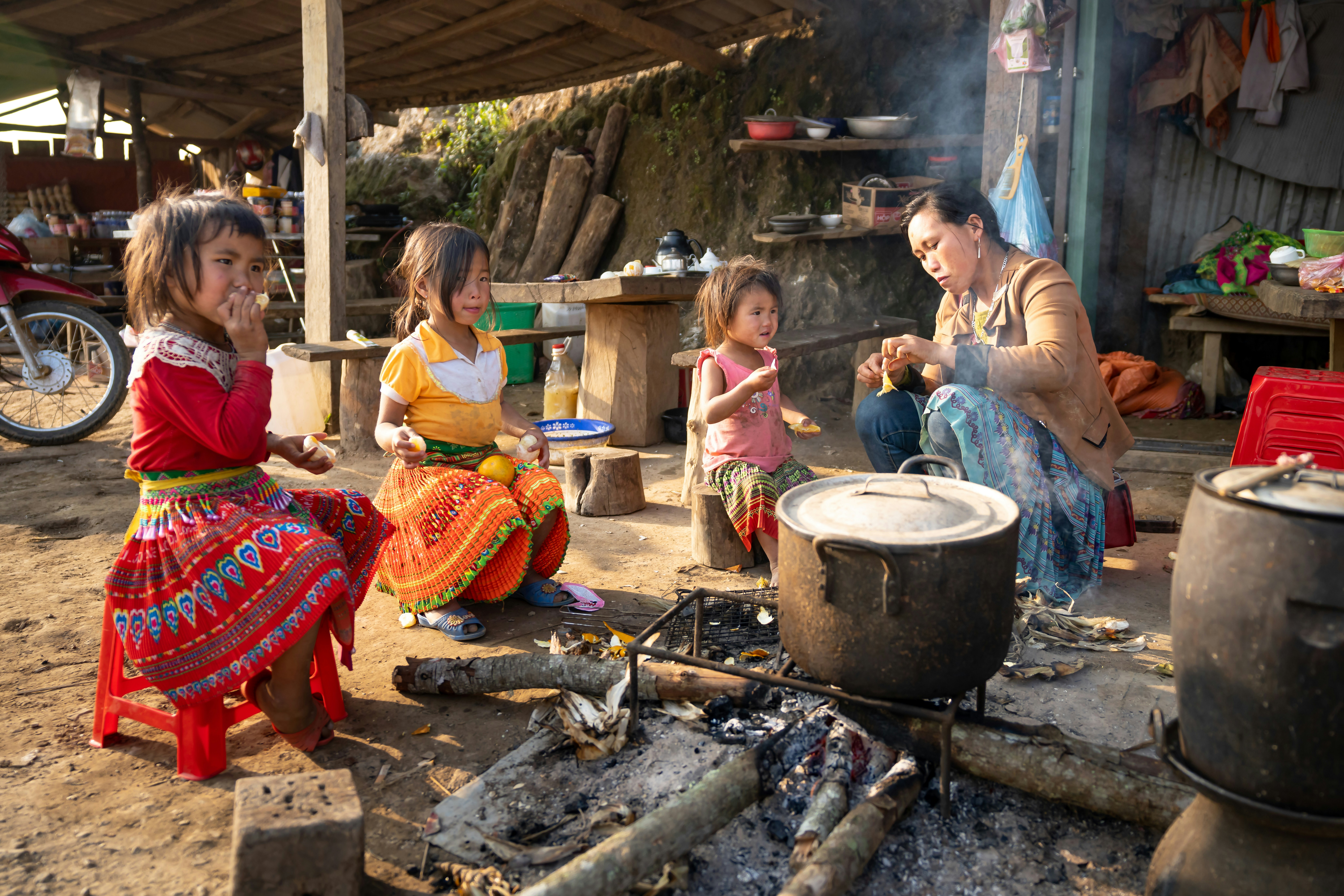
Even today in households where division of labor is not definitively gendered, women do the work of Christmas:
To stretch the dollar to make a feast or to fill Santa’s sack,
To soothe agitated family relationships or countless other ongoing worries,
To accept the duty left to them to carry forward family traditions,
To maintain a home to return to,
To hustle everyone to church, so that for a blessed moment we can call to mind the source of the season.
That’s why I loved learning of the Irish tradition of Women’s Christmas, or Nollaig na mBan, a day at the season’s end where men relieve women of their chores so that the women may recover, reconnect, and revel with each other after their holiday labors are complete.
This year I was gifted with a Women’s Christmas a bit earlier than its noted arrival on January 6, during a post-Christmas visit with a life-long friend and her two teenaged daughters, my godchildren. It was not named as such, but in the quiet simplicity of their decorated home and within the confines of a winter storm, our Women’s Christmas nonetheless unfolded. Against the backdrop of day-long pajama wearing, silent reading, dog scritches, painting, and playing cards, the old stories of “when you were little” began to emerge from the perfectly imperfect memories of my friend and I. These wove together with my goddaughters’ remembrances, and perhaps their remembrances of our often repeated memories, recalling the antics and acrobatics of children, times when laughter and play were abundant antidotes to tears and fears.
By evening the home videos and photos of younger faces and those who passed before us made their appearance, reopening the histories of the women who not only made our Christmases, but who made us, who fed not only our bodies, but introduced us to the life of the mind, heart, and soul. The Incarnation was no mystery to them.
Nor was it a mystery to the women who encircled our Infant Jesus,
to the Mother who gave the Word flesh and nourished him with her body’s milk, her heart’s love, and her soul’s faith
passed on from generations of women before who waited for him.
Decades before the cross, she raised him up, this child refugee, born under occupation,
to embody loving-kindness,
to share every last crumb,
to forgive without limits.
Apart from his heavenly Father,
his Mother showed him the earthly wilderness of familial love,
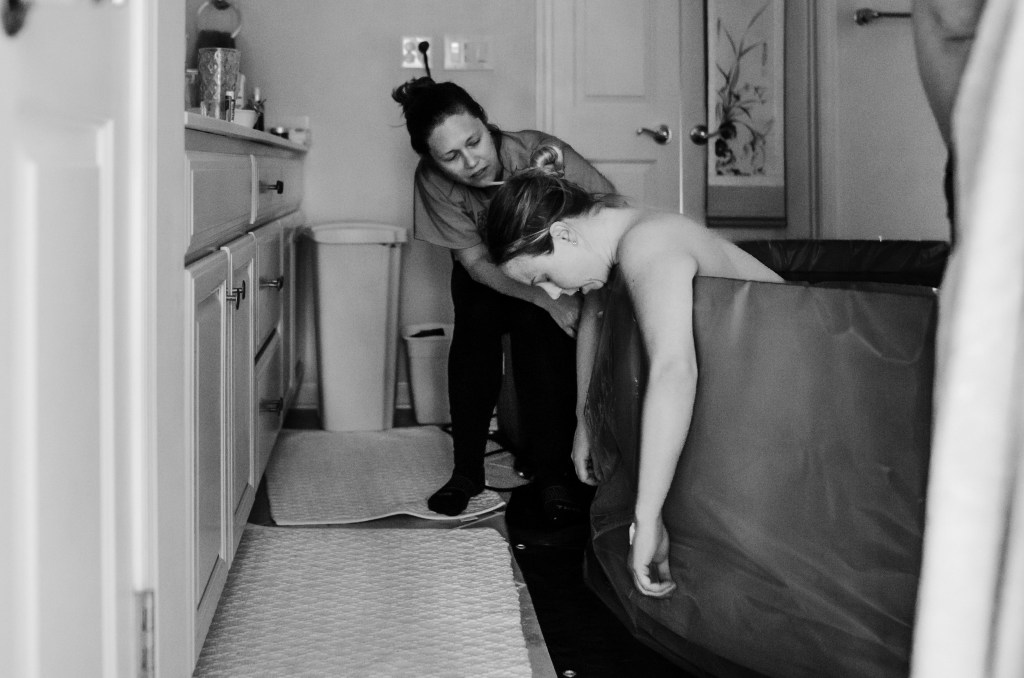
and the unrelenting nature of women’s work.

Alone in my thoughts, I recall other women who passed into heaven this year:
- Sr. Beth, a spiritual mother who accompanied countless young adults in their faith journey
- Connie, who created community and catechesis for those with mental illness
- Elizabeth, chaplain to the ill and aged.
Christbearers, every one of them.
I watch my friend, handpainting wooden sheep for her parish’s Catechesis of the Good Shepherd program, bringing the Word to the church’s youngest sheep. I look also to my goddaughters in their reading perches, wrapped up in blankets, and am filled again with the fierce love I knew when I held them in their infant swaddlings. The younger is named for the biblical woman whose ancestors would outnumber the sky. The older is named for her grandmother, who was named for the one who birthed Jesus. And I think, how good it is to rest on this Women’s Christmas, to celebrate the Mothers of Christ, and to remember that
to bring forth the Body of Christ on this earth, has been, is, and ever shall be, women’s work.
For more by this author and more about women, see our web site.
ABOUT THE AUTHOR

Angela Paviglianiti was ruined for life in the Jesuit Volunteer Corps around the turn of the century. She is what happens when you mix women’s studies, social work, and seminary. Angela is indebted to Ignatius of Loyola and Dorothy Day, although she probably wouldn’t have gotten along with either of them. She still believes in fairies, and the Gospel according to you and me and us.


