
Becoming Social Poets for Community Transformation
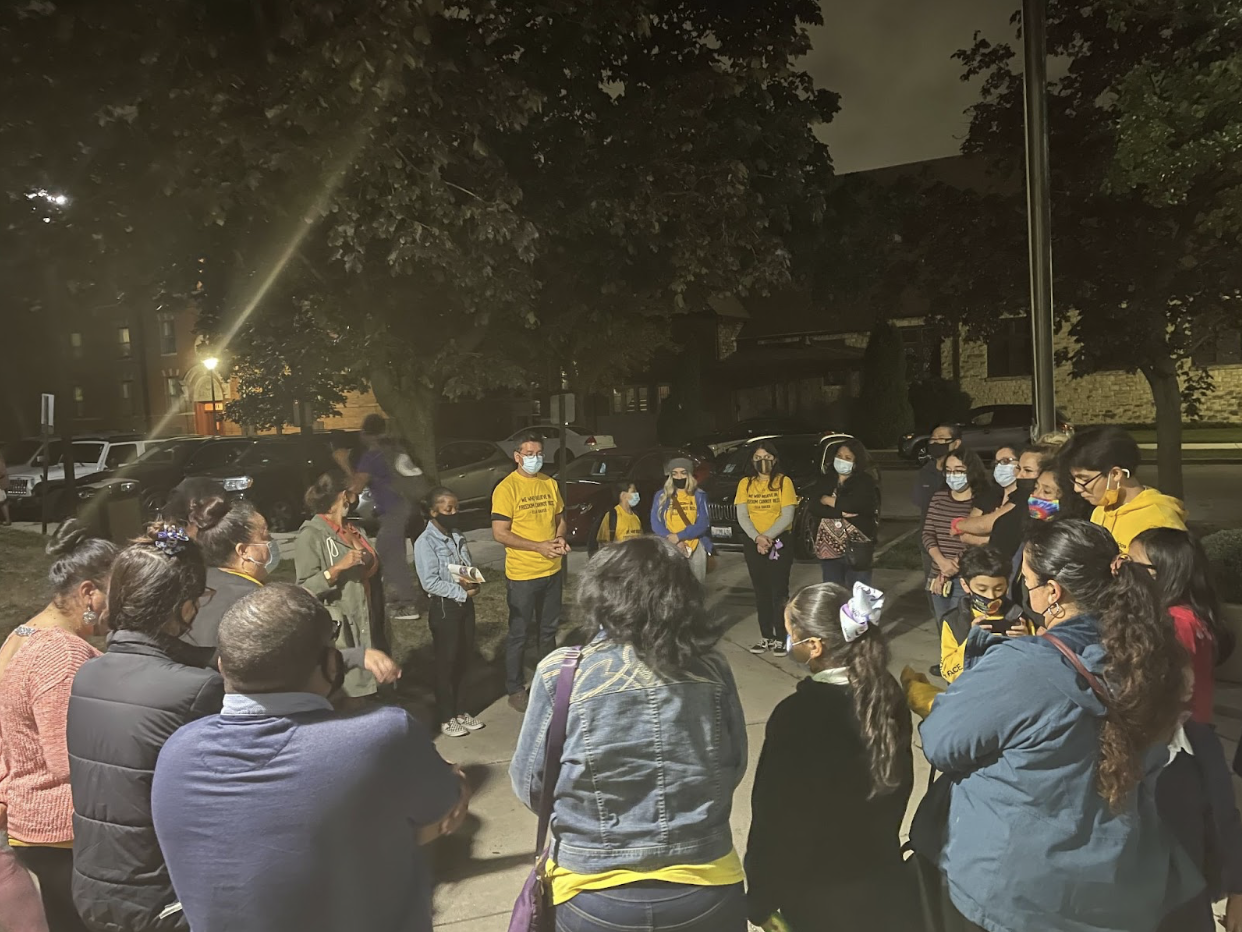
Several years ago during a cool early spring night, a group of parents, youth, elders, and I gathered for a meeting in the rectory office of a parish on the west side of Chicago. We were about to become what Pope Francis called “social poets.”
At the forefront of everyone’s mind and stirring within their hearts that evening was the wellbeing of the children of the parish and the local community who were facing bullying and sexual harassment on their walk to school. After an opening prayer to start the meeting, the parents did not hesitate to speak up about what could be done to make their community safer.
One parent stood out that night, Sandra. She was accompanied by her infant daughter who she held in her arms throughout the entire meeting while she helped facilitate the gathering and discussion.
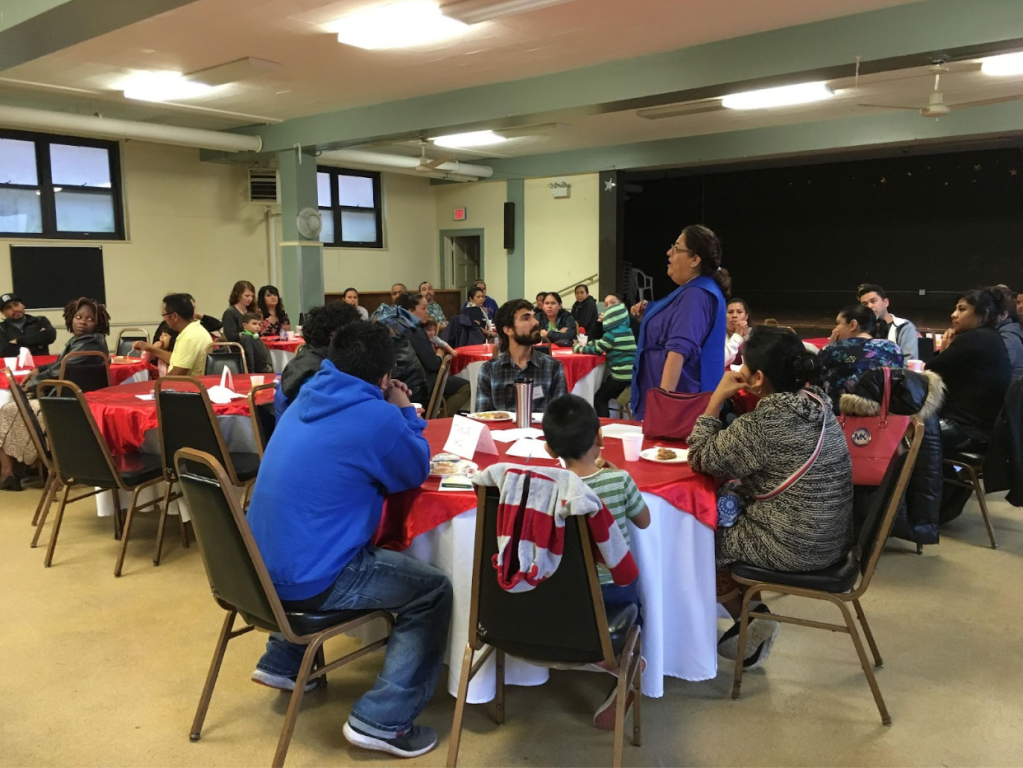
As the meeting went on, she would motion with one arm to gently encourage others around the table who were shy to participate while holding her baby tenderly in her other arm. At one point her baby became impatient and hungry and without missing a beat, Sandra covered herself and her baby girl in a rabozo, so that she could breastfeed.
As she tended to her baby, she continued to facilitate the conversation with focus and calm. All of us were in awe of her composure. For Sandra, the gathering that night had a sacred purpose. It was essential to her that everyone have the chance to be heard.
Knowing that the topic that evening directly related to their daily experiences, the youth seated around the old wooden table began to speak up. These young leaders nervously shifted forward in their seats. At first they were a bit apprehensive, but gradually they began to open up and one after another their stories poured out. The parents who had been animated and engaged began to listen intently.
The testimonies of these young student leaders were deeply moving for the parents. The memory I hold of one of the young middle school girls has stayed with me years later. At first she was apprehensive, but then it was as if the flood gates opened. She shared many of the things that concerned her and her classmates the most about walking to school each day, from the bullying to the instances of sexual harassment from boys and men of all ages. In their vulnerability and courage, these youth were living the Gospel—speaking truth, calling for justice, and inviting the community into deeper compassion and accountability.
In speaking about these difficult things, she inspired her classmates and friends around the table. The courage of the youth that evening, their love for their neighborhood, and their desire for peace in their community that was rooted in justice would have a lasting impact on all of us.
Coming together to listen to one another discuss their community’s most pressing needs and vibrant hopes for a better future was quite a radical act. The small gathering that evening sparked a grassroots community organizing effort within this parish and the broader community that was led by these same parents and youth to transform their struggle into a concrete and effective movement for hope.
After many months of late night planning meetings, a community-rooted and developed plan emerged to reduce violence in the neighborhood. The plan and program would require an investment in public resources and a vote from their local elected officials. During those meetings, a great deal of prayer, discernment, dialogue, and research went into a successful strategy that moved the local governmental officials to take swift action and appropriate the necessary public resources into a community-owned program. When the program was launched, one of the parents expressed that this experience led them to believe for the first time in their lives that “anything was possible” in their community.
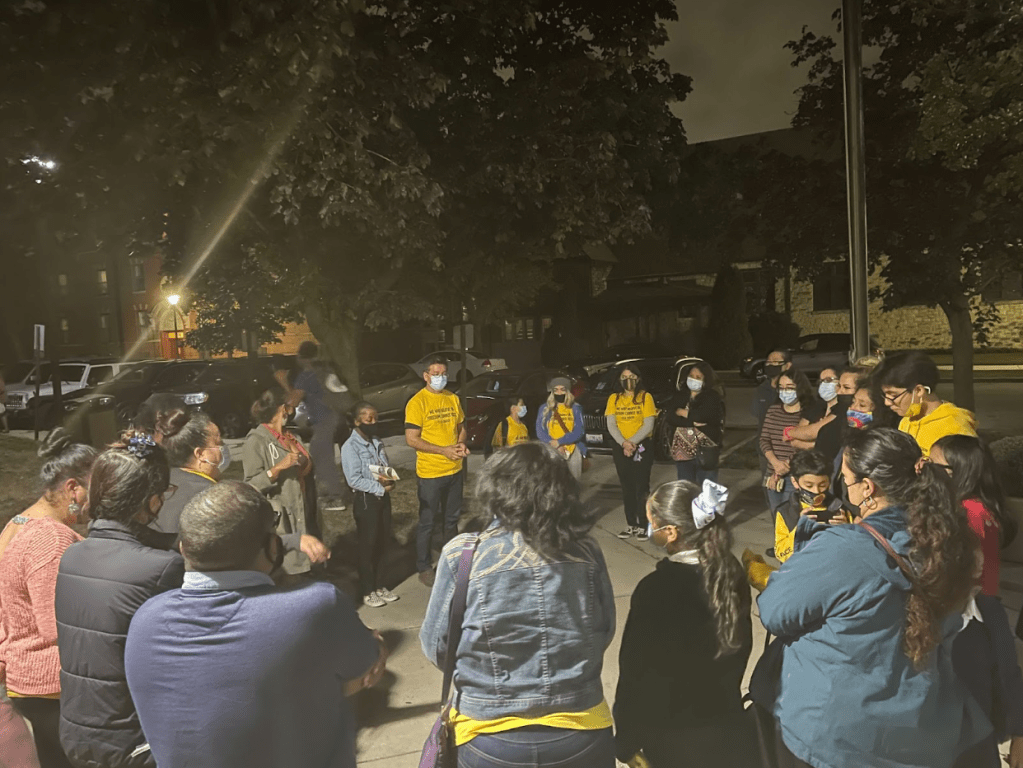
This is just one of many examples of how each of us, especially those who are most exploited, are called to be builders of God’s reign and protagonists for the type of peace in our communities that is rooted in justice. Jesus intimately understood the struggles that those who were poor, destitute, downtrodden, and marginalized experienced, because this was the life he came from and knew only too well. We are called to follow Jesus into a life of deeper solidarity and a type of discipleship that embraces discomfort in service to a vision for God’s Reign that requires not simply charity and good deeds, but justice and dignity for all of God’s creation.
During his papacy, Pope Francis affirmed the central role of change makers who derive from their faith the inspiration, wisdom and fortitude needed to work for a more just world. Pope Francis referred to these grassroots protagonists as “social poets” and has encouraged them, and all of us, to work for the common good and to even be willing to get our “hands dirty” in the process. If we are serious about following Jesus, we cannot turn away from the cries of our communities. The path to God’s reign runs through uncomfortable spaces—through late-night meetings, courageous conversations, and the messy work of building peace.
The call to follow Jesus demands more than belief—it demands movement. Join or form a social justice committee in your parish. Get involved with a local faith-based community organizing group. Find a network of people of faith who care deeply about justice and are ready to take action. The work is urgent, holy, and already underway. The only question is whether we will show up and take our place in it.
Learn more about grassroots efforts, justice, and community in the Messy Jesus Business archives.
ABOUT THE AUTHOR

Michael Okinczyc-Cruz, DMin serves as the Executive Director of the Coalition for Spiritual and Public Leadership (CSPL) and is an Adjunct Assistant Professor at Loyola University of Chicago’s Institute of Pastoral Studies. You can learn more about CSPL’s work by visiting www.csplaction.org

