

Wade in the Water: On Floods and Finding My Footing
Lately, I’ve been thinking about the flood. That one from the book of Genesis where humanity reached such an epic state of depravity– The Lord saw the wickedness of man was great in the earth, and that every intention of the thoughts of his heart was only evil continually (Gen. 6:5, ESV). – God decides there’s nothing for it but to wipe the slate clean.
Well, almost clean. God considers Noah to have enough integrity and redemptive promise to midwife in the new world order. He and his family, like the other animals, saved in sets of two, will be the seeds for humanity’s future, progenerators of their species.
There’s a midrashic tale in which Noah’s wife, Namaah, is also given a sacred task by God, gathering seeds and samples from all the plants so that they too might have a chance to take root in the world that re-emerges.
Modern humanity must surely match the depravity of Noah’s time. A brief survey of history, or even a glance at the daily news cycle, and it’s evident that evil intentions and actions abound and, with today’s technologies, the impacts are resounding.
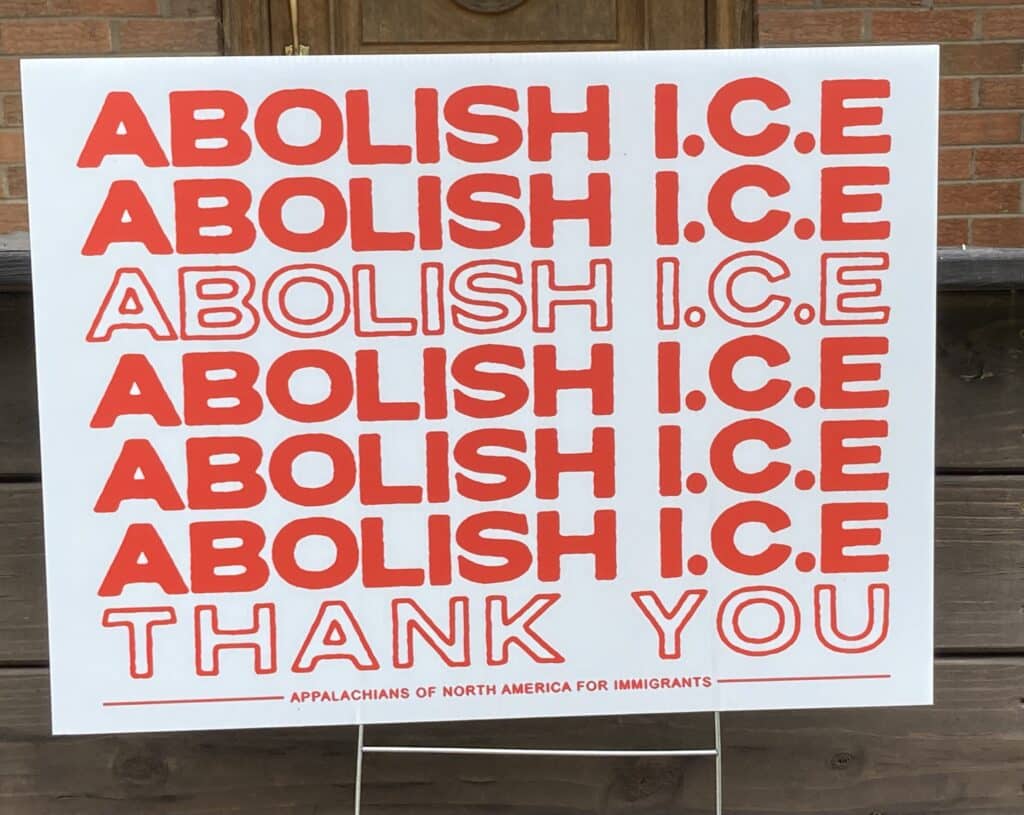
In 2026, bombing civilian infrastructure and unarmed men, women, and children has become a common weapon of “war.” Physical and psychological torture and indefinite detention are routinely justified or ignored. Children are not exempt from detention but in fact overflowing the capacity of current facilities in the US, not to mention being victimized through sextortion and various forms of abuse, often at the hands of those who should be trusted adults and caregivers.
Then of course there are the inescapable, stomach-turning contents of the Epstein files, the recent unearthing of an online “rape college,” and the corporations that rake in profits while their factories contaminate the communities that house them. People in the US are kidnapped from workplaces, cars, and bus stops by unidentified masked “agents” that are treated with virtual impunity. The list is incomplete. It’s endless. And chances are good that a similar list will be able to be made next year, and the year after, and the year after that. It’s enough to push one over the precipice of despair and frankly speaking, I’m teetering on the brink.
After the flood God sends a rainbow, promising to never again send a flood to destroy the earth. There’s a kind of fatalistic fine print in which God thinks (one might presume, resignedly), “the intention of man’s heart is evil from his youth…” and while vowing to never again “strike down every creature,” also lets humanity know that they are now responsible for their own cycles of violence, “Whoever sheds the blood of man, by man shall his blood by shed…(Gen 8:21 and 9:6)”
We can infer from the previous litany of evils that God’s omniscience was at work when making this declaration. However, unfortunately, acts of violence are seldom so neatly reciprocal and it is often the most vulnerable and least guilty who suffer. In dismay at the state of the world, I’m inclined to ask, “Well, God, are you happy with your decision?” Could be an intense wash cycle is what’s needed to get us out of this deeply entrenched, despotic disaster of a life-squashing culture we’ve created.
“Well, God, are you happy with your decision?”
amy nee-walker
In fact I started writing with that very thought: if there is an all-loving, all-powerful, intervening-type God, what might we ask of or expect from them? Why have they left creation to run amok? However justified I may feel in holding God accountable, I’m beginning to wonder if it may be more fruitful to look at what was asked of the humans deemed trustworthy in that ancient flood tale: to preserve living things, plants, animals, children; to keep tending to life even when the situation seems pointless and impossible; to have hope and be a source of hope; to do the work–as co-founder of the Catholic Worker, Peter Maurin, put it–of creating a new world, in the shell of the old, a world where it is easier to be good; to keep waking up (however derided “wokeness” may be in certain circles) and showing up, ad infinitum, ad nauseum.
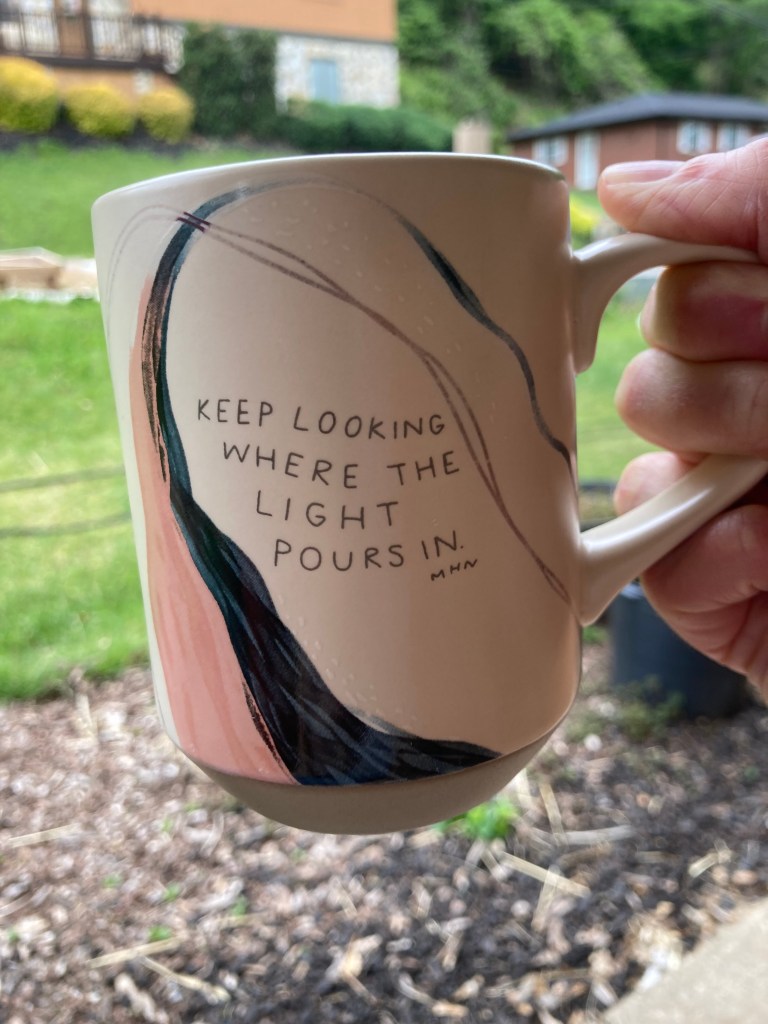
It can be exhausting work and calls to mind a well-worn phrase of the other Catholic Worker co-founder, Dorothy Day, that we must dedicate ourselves to the duty of delight. In other words, it is part of our purpose to vigilantly look out for beauty in its varied and abundant forms, to treasure up moments of joy however trivial they may seem. This is our food for the journey. Look, as Mr. Rogers advised us, to the helpers and remember you are not alone, neither in your suffering nor in your efforts.
Here are some ways I’m practising coping so that I can stay awake without my head exploding, or panicking and escaping to live out my remaining years in an uninhabited cave. Considering everything is interconnected, I’m reaching toward the strands closest to where I stand: participating in a rapid response and family resource group that supports those afflicted by ICE raids and other threats within our local community; partnering with community groups that are helping to care for folks without access to basic needs like food, clean water, and shelter; cultivating native and edible plants around my home to support pollinators and bolster the disrupted ecosystem; trying to listen and respond with respect, care, and love to the people in my life, especially my children and students; giving myself permission to rest and to enjoy the small good things that sweeten each day; learning from my all too frequent mistakes, reminding myself to make repairs to the best of my ability and holding myself and others not only accountable but also with grace as we muddle through.
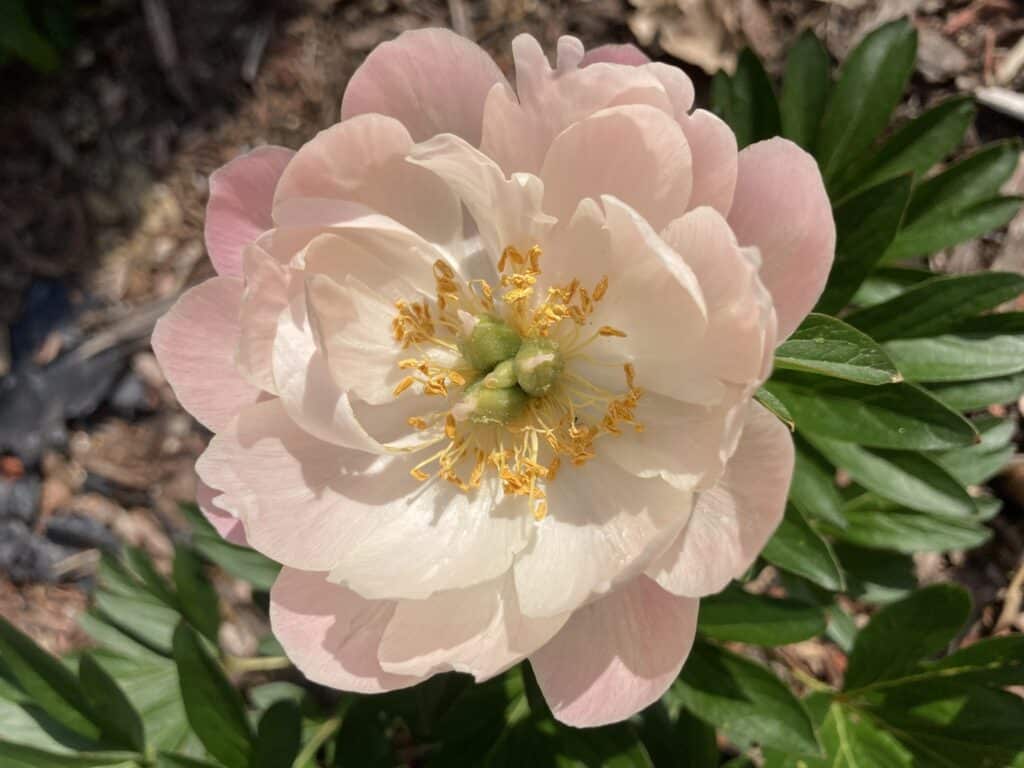
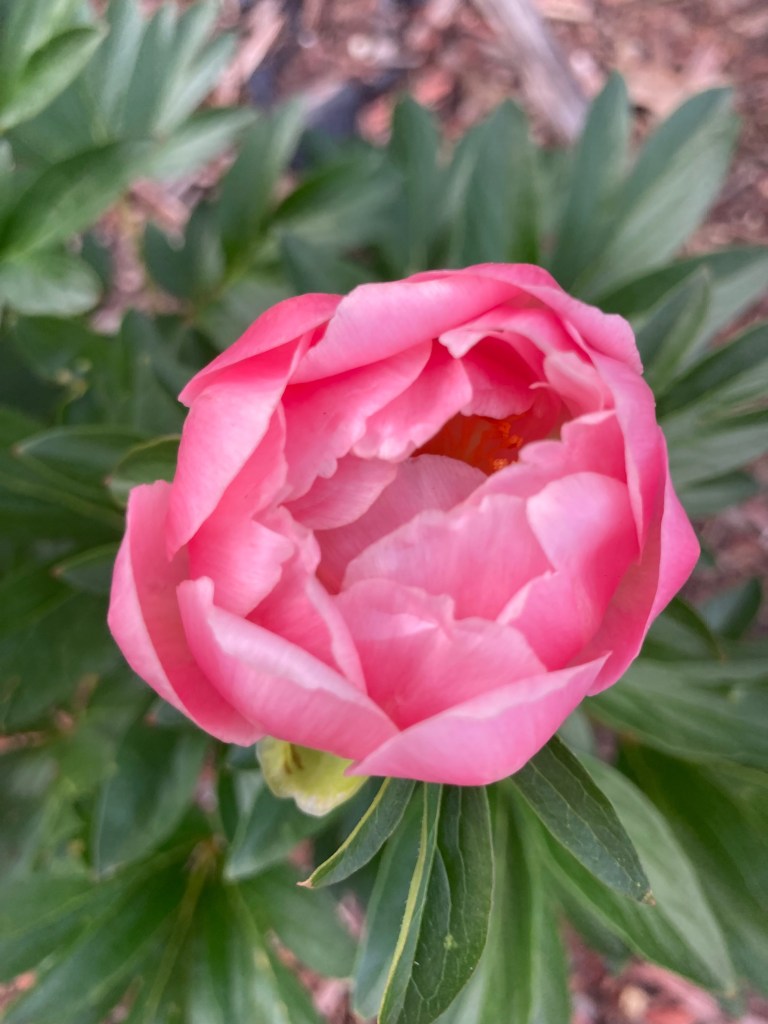
For a few weeks now I’ve been contemplating the Parable of the Peony, told to me without words by a plant outside my door. This plant rises from a seemingly desolate patch of earth in the spring; first tentative shoot, then waxy green leaves. A tight pink ball forms and slowly opens to a shockingly large, showy bloom with velvety pink petals and powdery yellow pollen. It is as ephemeral as it is explosive in beauty, gone within days, the soft petals scattered in delicate curls on the ground below. By winter there is no sign it was even there, all the energy having receded to the roots below ground. What absurd extravagance! What patience and perseverance to come back year after year and offer this exquisite, transitory gift for those who have eyes to see.
For more by this author and more about activism, visit our web site.
ABOUT THE AUTHOR
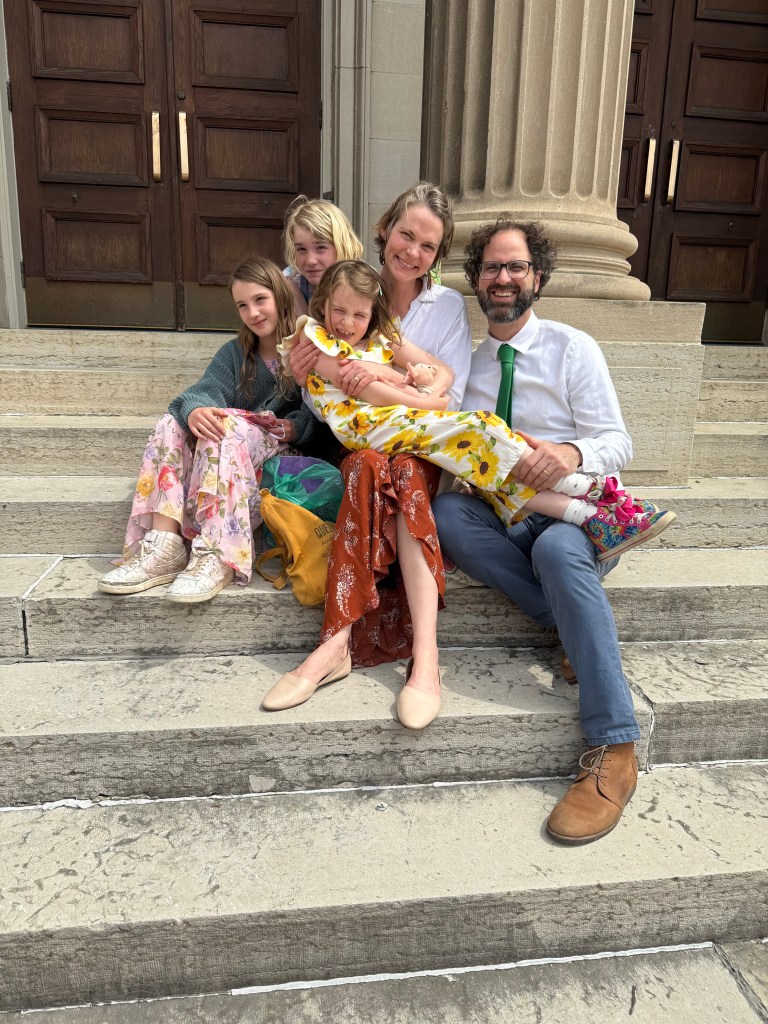
Amy Nee-Walker grew up in the middle of a large and lovely family in Central Florida. Living into questions about truth and love has led her to the Catholic Worker Movement, the Catholic Church, her incredible husband, three audacious, adorable children, and (for the time being) a home in the hills of Appalachia.
You must be logged in to post a comment.