Ripples of Time and Democracy
I.
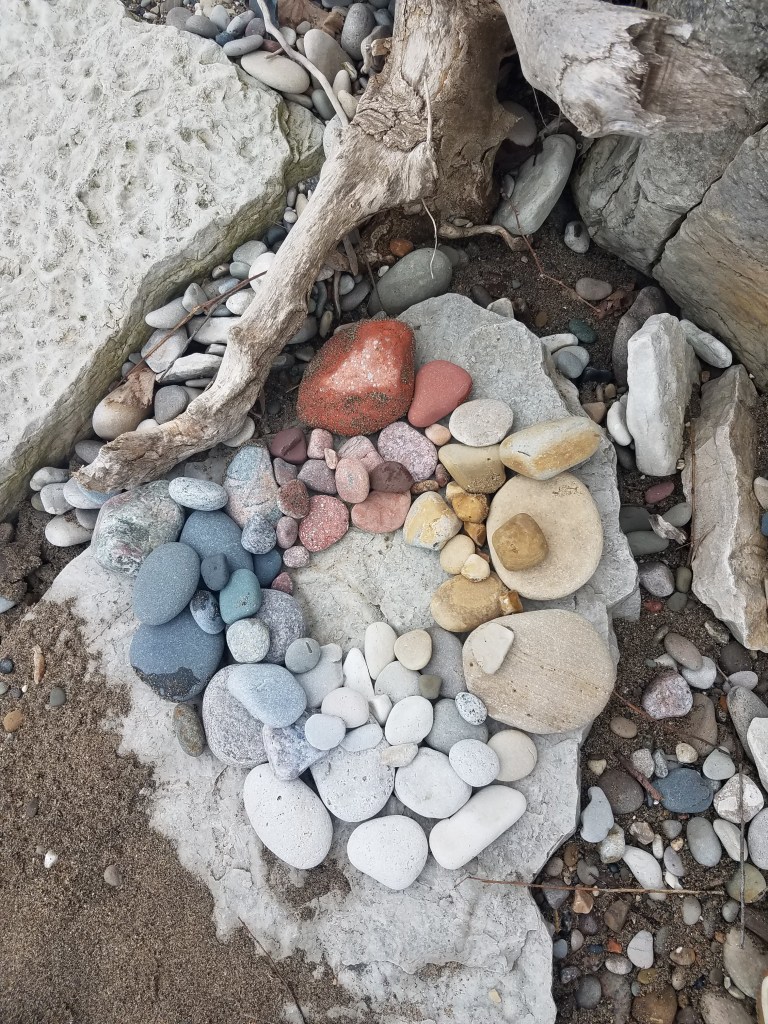
On the lakeshore, I stoop close to the ground studying stones. I am mesmerized by the beauty: the shades of blue, white, red, colors of stones made smooth by their repeated encounters with sand, stones, ice, waves. I place my palms upon the rocks and feel the firmness, the tough texture. Granite. Brick. Limestone. One stone warm. Another cool. Some strangely light and soft. Others heavy. I am in awe of the beauty of every rock.
I feel the expansiveness of time and space, the freedom of solitude of the shore. I desire to reverence the beauty of many small stones collected in one space, to honor the sacredness. I sort stones by color. I decide to make something, like an offering of thanks, a gift to the next guest to the sacred space. I lose track of time as I create a circle of stones, a color wheel, and delight in the joy of creating something beautiful. I sing and pray out loud. I stroll down the shore, slowly picking up rocks, feeling their temperature, firmness, then toss them into the lake, one by one. The ripples expand across the waves.
II.
I am wearing a suit and am looking over the balcony of the glimmering state capitol building. I am in my early 20’s and interning as a lobbyist with the Iowa Catholic Conference. I watch crowds of people swirl through the State House and ponder my experience sharing my passion about human rights and clean energy with elected officials. I am surprised that I felt heard and seen, that my youthful perspective is welcome. I’ve heard others despair about the effectiveness of government, yet I am having a different experience. I believe that faith communities ought to give input on public policy. I am unsure what my future holds, though, and what God is doing with me.
I’ll grow increasingly frustrated about the divisions in politics and the Catholic Church and uncertain about my calling. Within a few years, I’ll enter the Franciscan Sisters of Perpetual Adoration and center my passion for systemic change on those within my faith tradition. I’ll give my energy to education, faith formation, retreat leadership, accompaniment, storytelling, community building, and evangelization.
For twenty years, I’ll participate in democracy, trusting that each effort creates ripples of change. I’ll show up at protests and sign petitions. I’ll call my elected officials. I’ll vote in every election and write about how to vote as a Catholic.
But, I will begin to doubt if goverment is effective and begin to ponder if democracy is meant to crumble.
III.
I am enlivened with excitement while I watch Pope Francis’ address to United States along with Catholic high school students in 2015.
IV.
I feel my body tense with sorrow and fear as the violent attacks on the United States capitol unfold on January 6, 2020.
I write a poem about the horror and heartache, hoping to offer encouragement to others.
V.
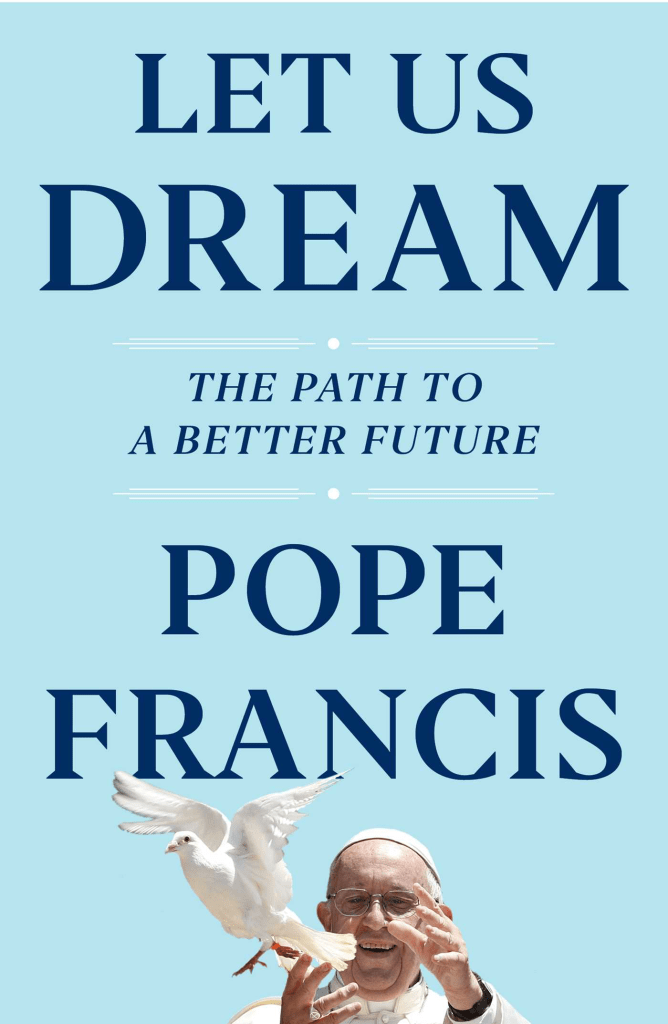
I feel inspired to rededicate myself to build community when I read Let Us Dream by Pope Francis.
“Now, more than ever, what is revealed is the fallacy of making individualism the organizing principle of society. What will be our new principle? We need a movement of people who know we need each other, who have a sense of responsibility to others and to the world. We need to proclaim that being kind, having faith, and working for the common good are great life goals that need courage and vigor; while glib superficiality and the mockery of ethics have done us no good. The modern era, which has developed equality and liberty with such determination, now needs to focus on fraternity with the same drive and tenacity to confront the challenges ahead. Fraternity will enable freedom and equality to take its rightful place in the symphony.” -Pope Francis (2020)
VI.
I interview Mary J. Novak, Executive Director of NETWORK Lobby for Catholic Social Justice, for Messy Jesus Business podcast. She tells me, “as Catholics, we are fundamentally called by our social teaching and our tradition to participate in society for the common good, for the wellbeing of all, and especially for those on the margins who are pressed there by our sinful structures… This is embedded in our tradition.”
From her, I learn that democracy is fragile in the United States because it’s still new: it’s relatively recent that voting rights have been expanded to every gender and race. (You can read an excerpt of the interview in Living City magazine.)
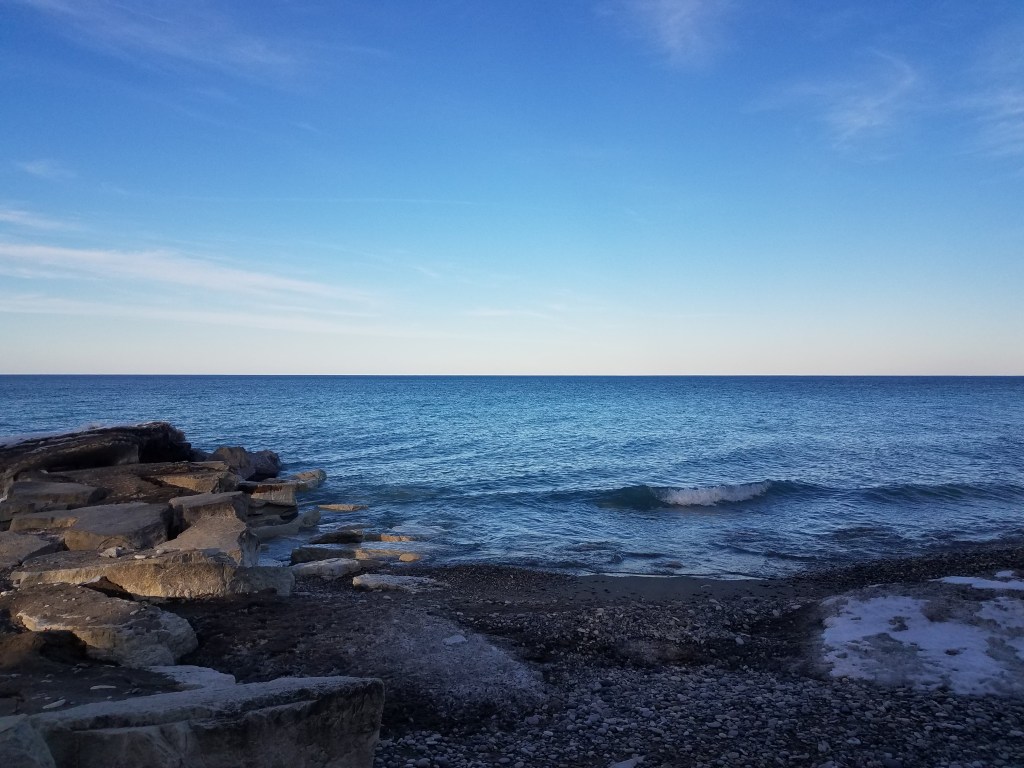
I’ll realize I need to help protect democracy. I try to find ways to throw more rocks into the waves. I try to watch the ripples.
VII.
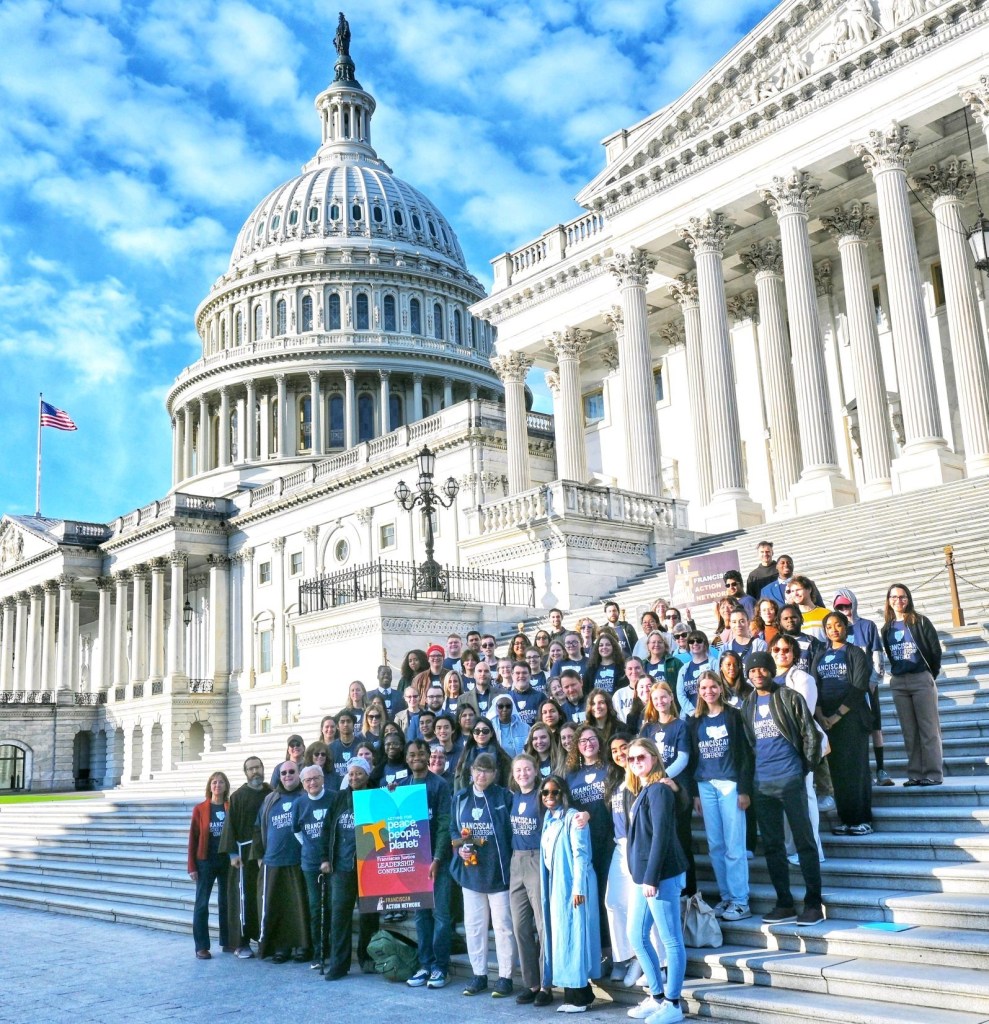
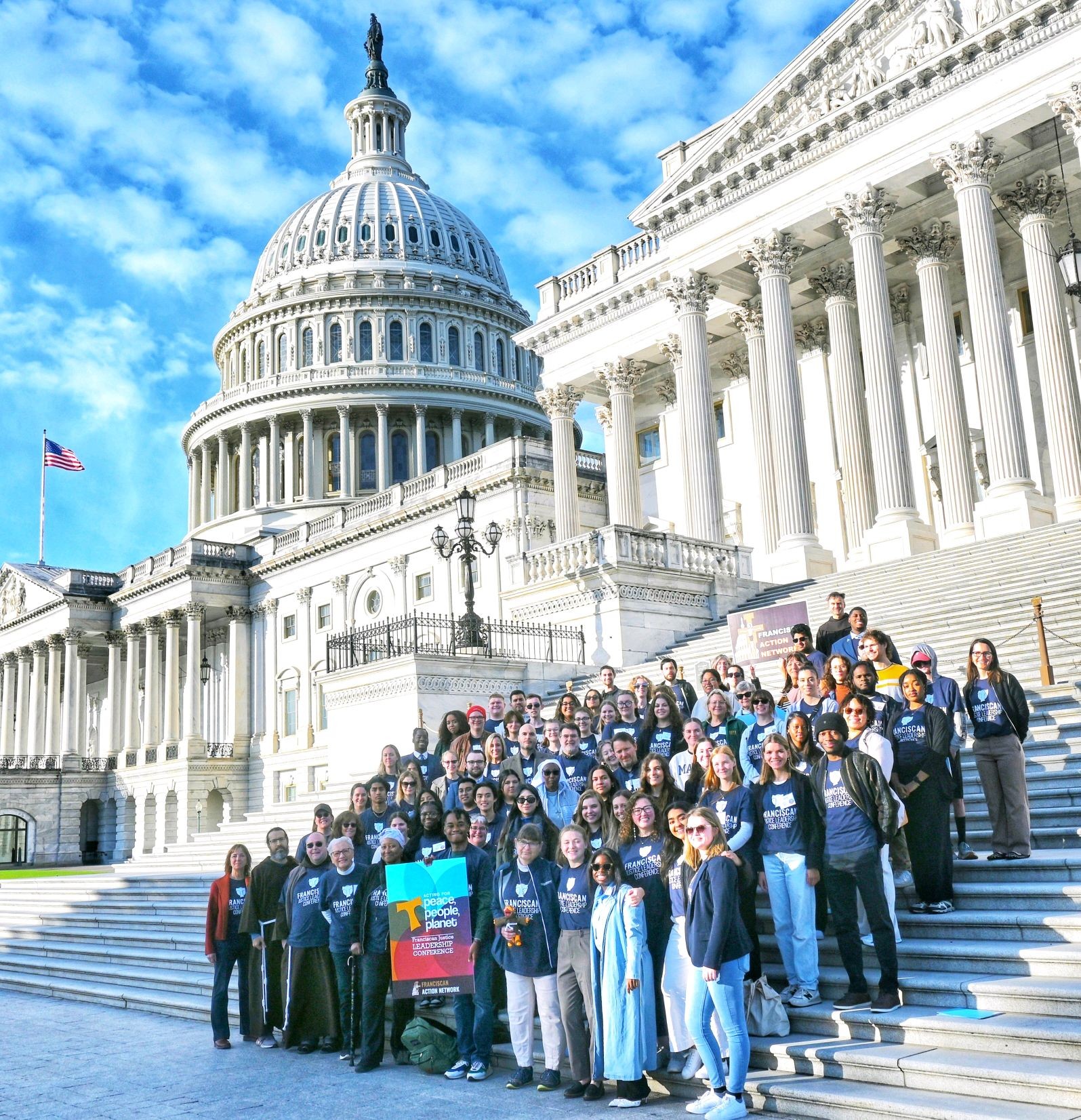
I travel to Washington D.C. to give a speech at the Franciscan Action Network’s 2024 Justice Leadership Conference, and meet young adults who are passionate about faith and social change. Together we learn about depolarization, nonviolent communication skills, peacemaking, and advocacy. We go the Capitol building and surrounding office buildings to meet with staff of congresspeople and advocate for justice and peace, just as I had done over twenty years prior in Des Moines, Iowa. We tell our stories and express our concern about safety and health of the vulnerable. And, we are heard. Hope is ignited.
The ripples of change float across the waves.