Politics, Prophets, and Family
I grew up Catholic, but the Catholicism of my childhood looks very different from the one I embrace now — especially when it comes to politics.
Impassioned political discussion used to be commonplace at my parents’ kitchen table. Debates around crop subsidies, subsistence agriculture, and international trade agreements were hot topics as I questioned the structures that governed the farm I grew up on. I learned to channel the righteous anger I felt toward situations of injustice. I saw myself reflected in Jesus who overturned the tables of moneychangers in the temple, reclaiming sacred ground for the oppressed, outcast, and excluded.
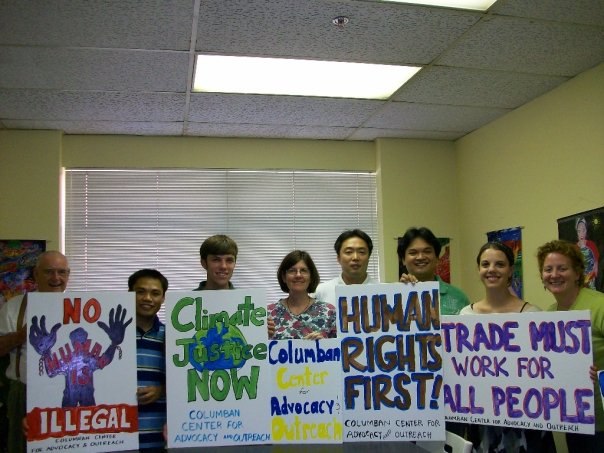
At times my parents and I found common ground, and united into one prophetic voice. During the big movement for immigration reform that followed the first election of President Obama, we became allies as we made calls to representatives and advocated together across rural communities.
That camaraderie has unraveled within the current political climate. Disagreements across the dinner table have become increasingly sensitive and tense. Polarized and hostile rhetoric has pushed out what little room was left for nuance in political discussion.
Now I live in an urban setting with a very different kind of political energy, and going “home” feels different. The drive through cornfields and scattered farmsteads that once brought me comfort and freedom is now tainted by billboards bearing names of candidates who evoke uneasiness, disgust, anxiety, and fear.
Attending Mass at my childhood home, I welcome a prayer for our political leaders and wholeheartedly respond, “Lord, hear our prayer,” knowing that my prayer regarding politics might be very different from the one on the heart of the person sitting in front of me.
When it comes to family, I don’t talk about politics anymore. For the most part, no one else does, either.
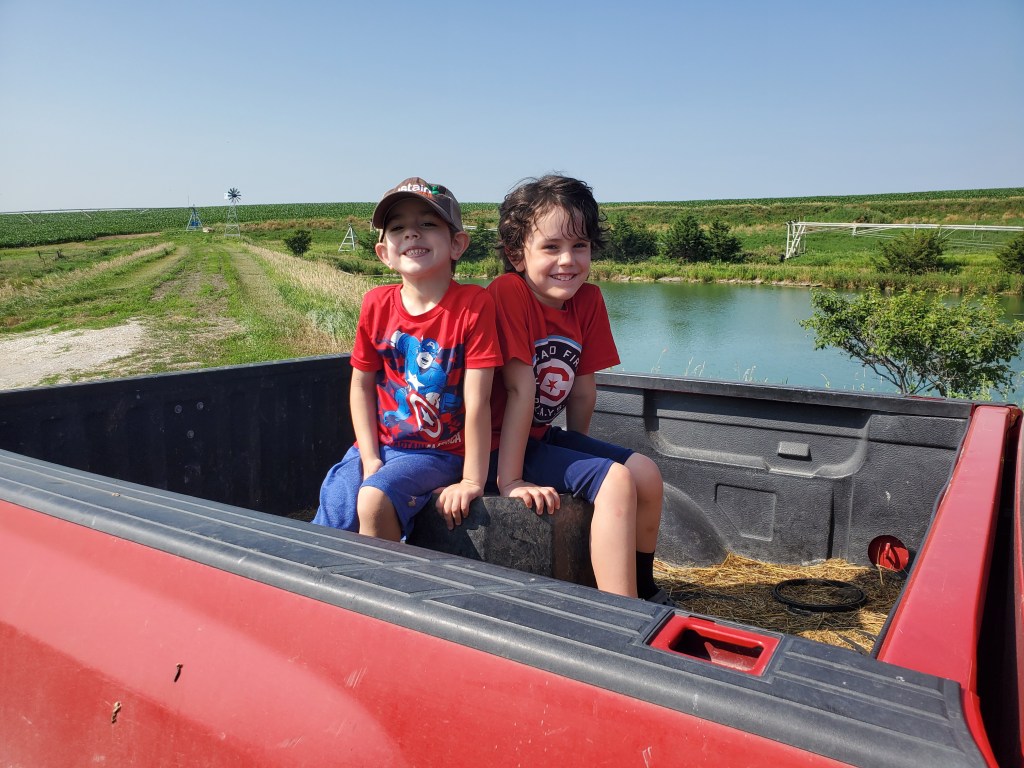
On the rare occasion that politics gets opened up, it tends to be one-sided commentaries on the state of things, on the election or hot-button social issues. I overheard such a conversation while home visiting over the summer, and I was surprised at how much it bothered me.
That righteous anger was bubbling back up to the surface. There were so many things I wanted to say — about my personal views, and how hurtful and terrifying some of the dominant rhetoric is for so many people, including the immigrant community that I married into, the community we once fought side-by-side to protect.
Later in the evening, I opened up with my dad — a rare one-on-one moment during a larger family gathering like this. We don’t see eye-to-eye on a lot of political topics, but he listened, and he empathized with my hurt. He let me cry as I released the tension that had been building inside me.
Looking back on the moment, I realize that overturning the tables in righteous anger is not the only way to live prophetically. My dad showed me another way, and I see reflected in him Jesus who washed the disciples’ feet, creating sacred ground for vulnerability, gentleness, and empathy.
Public political debate is all about power — having the strongest rhetoric, the toughest stance, showing no weakness. Issues are thrown around like grenades, yet the struggles they represent are deeply personal.
When we sit down face-to-face with a friend, family member, or neighbor, we have an opportunity to create safe space for vulnerability. We can simply listen without offering rebuttal. We can emanate gentleness and understanding.
I still hope someday for unity in trying to overturn all the tables of injustice, but in the meantime this might be the best place to start.
ABOUT THE AUTHOR

Emily Cortina is a mother raising three bilingual, bicultural children alongside her Mexican husband. She advocates for transformative and restorative justice through her work in prison ministry and parish outreach at Kolbe House Jail Ministry in Chicago, Illinois.
You must be logged in to post a comment.